
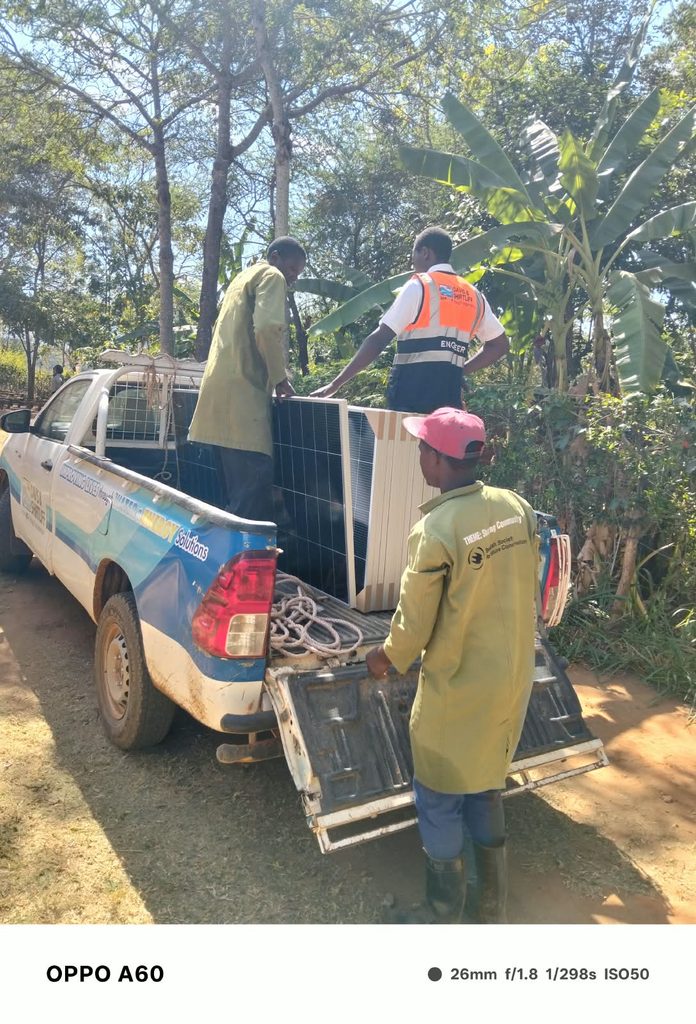
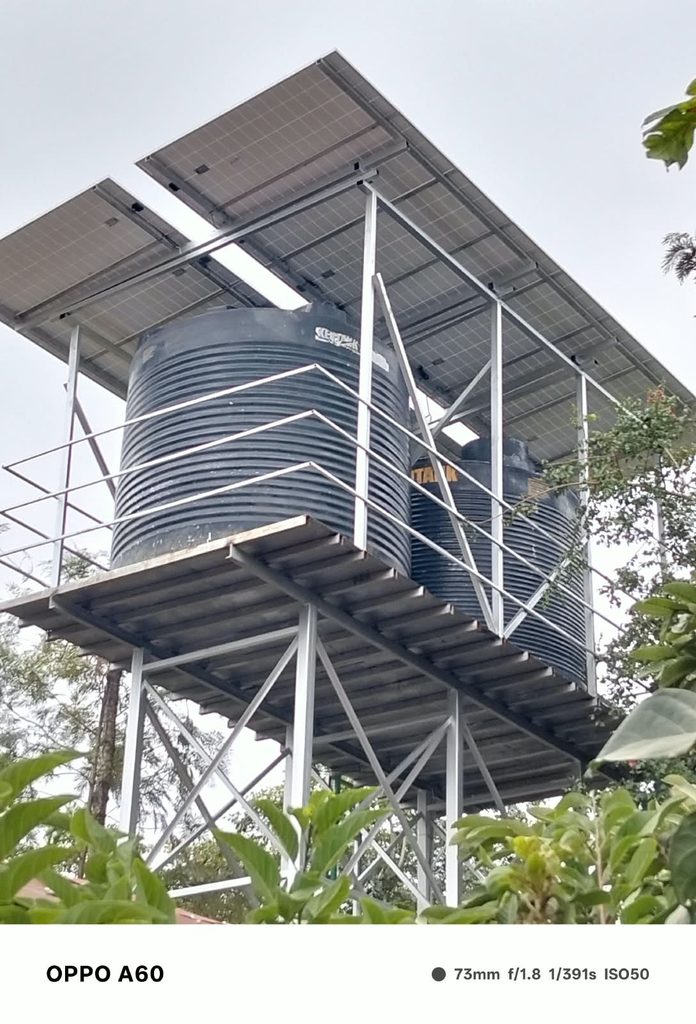
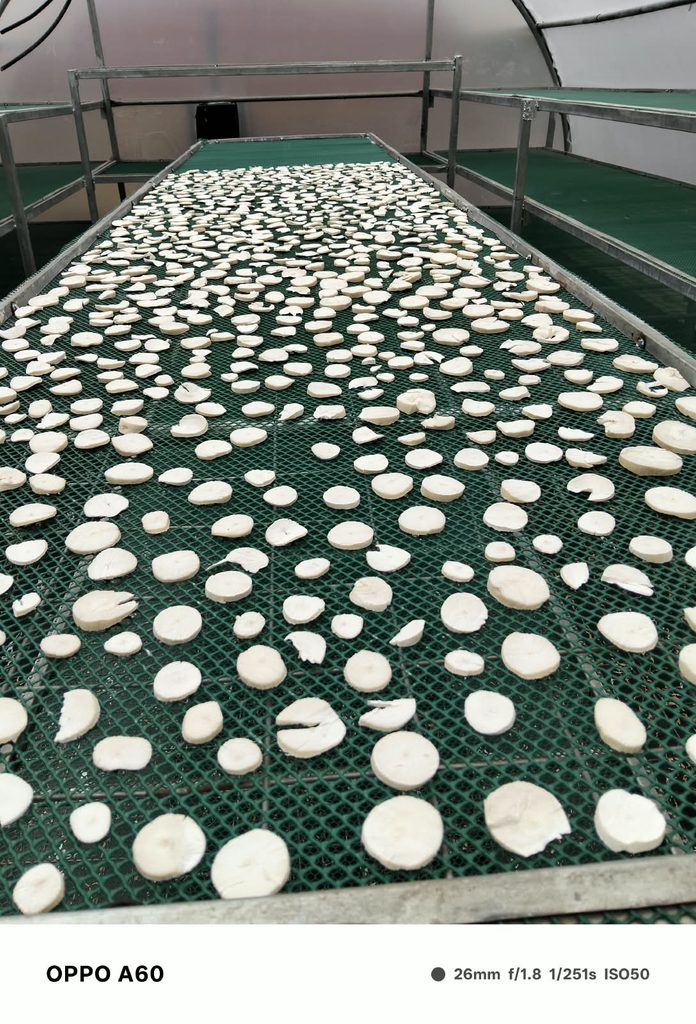
July 2026, solar panels are unloaded and a sustainably powered water pumping system is built to provide clean water used in the newly erected solar dehydrator. The new facility makes use of the abundance of delicious and nutritious mangos and moringa leaves grown by the farmers. The products are now able to be gently dried and turned into shelf stable income and food security improving the climate resilience and health of the 865 families that live in the villages surrounding the Centre. These latest improvements made possible by the generosity of The Fine & Greenwald Foundation.
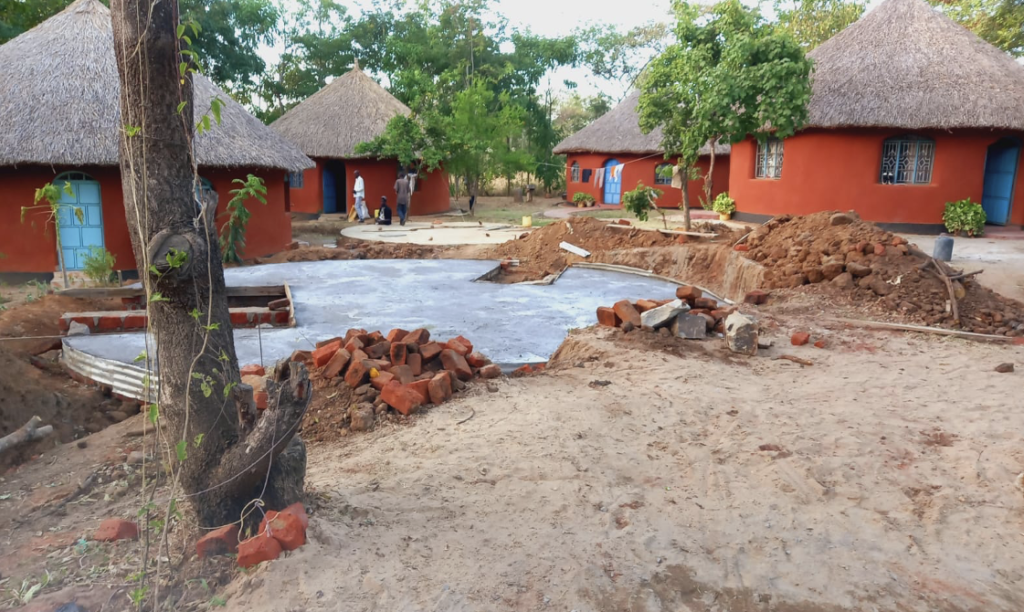
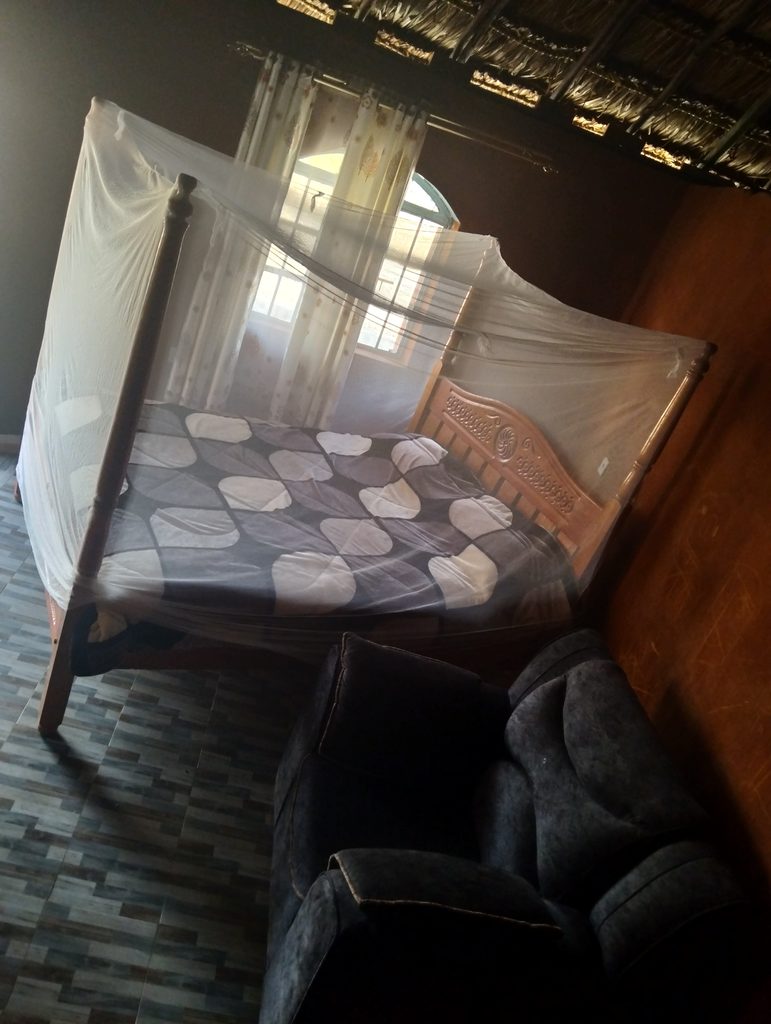
Ecolodge accomodations, built by hand, using local natural materials, provide rustic lodging for guests, the site is about 2 hours from Nairobi by car so the center also provides meals through their onsite cafe which can be hired to serve up three delicious and healthy meals a day of organic, fresh, all locally grown foods truly a field to table dining experience. The Center’s ecolodge gives its visitors the chance to experience the truly impressive accomplishments of the center, its staff, and the farm families who work together to restore the highly vulnerable dryland ecosystem and operate this living example of how humans can live in harmony with their environment. Bee hives provide honey, and fresh bread is made from hand ground grains grown by the farmers along with ugali, traditional steamed kale, and they even use their own freshly pressed sunflower cooking oil.
In Makueni County, Kenya, years of tree loss, land degradation, water scarcity and an increasingly unpredictable climate have made life harder for smallholder farming families. A locally founded permaculture training center is building a diversified botanicals processing center and suit of sustainable business ventures, showing farmers and international guests what can happen when communities are given the tools to regenerate both their land and their economy.
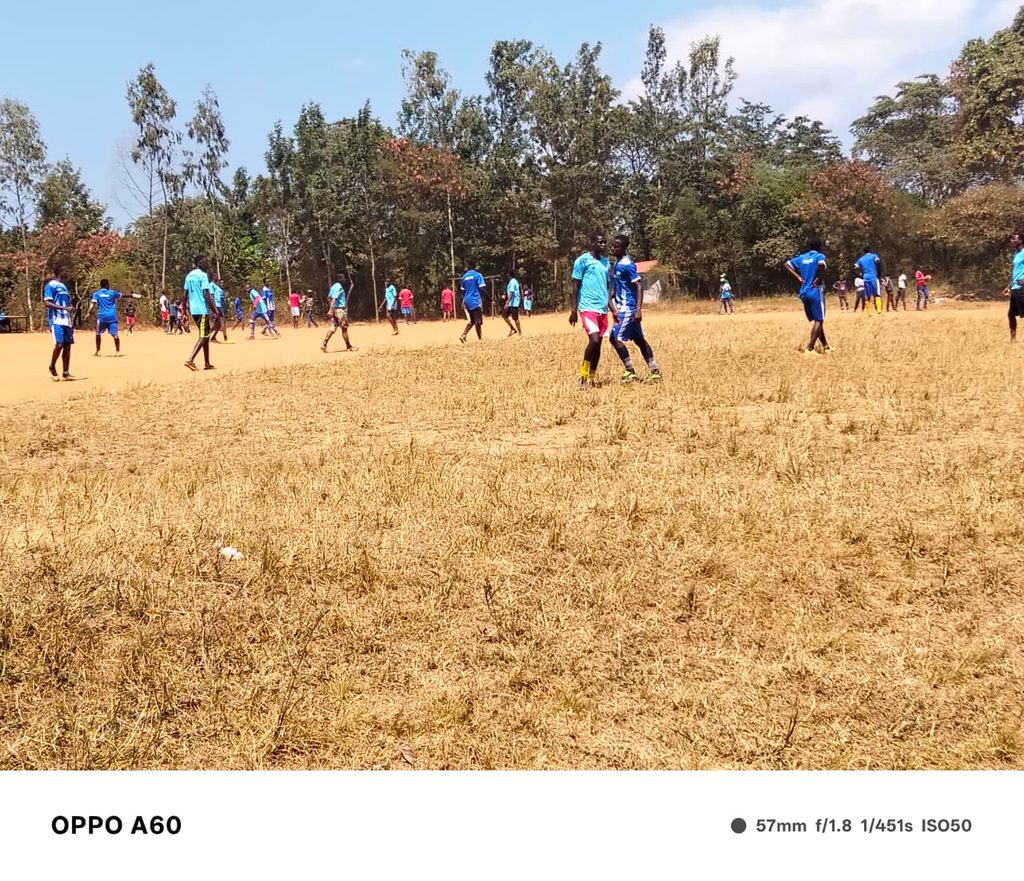
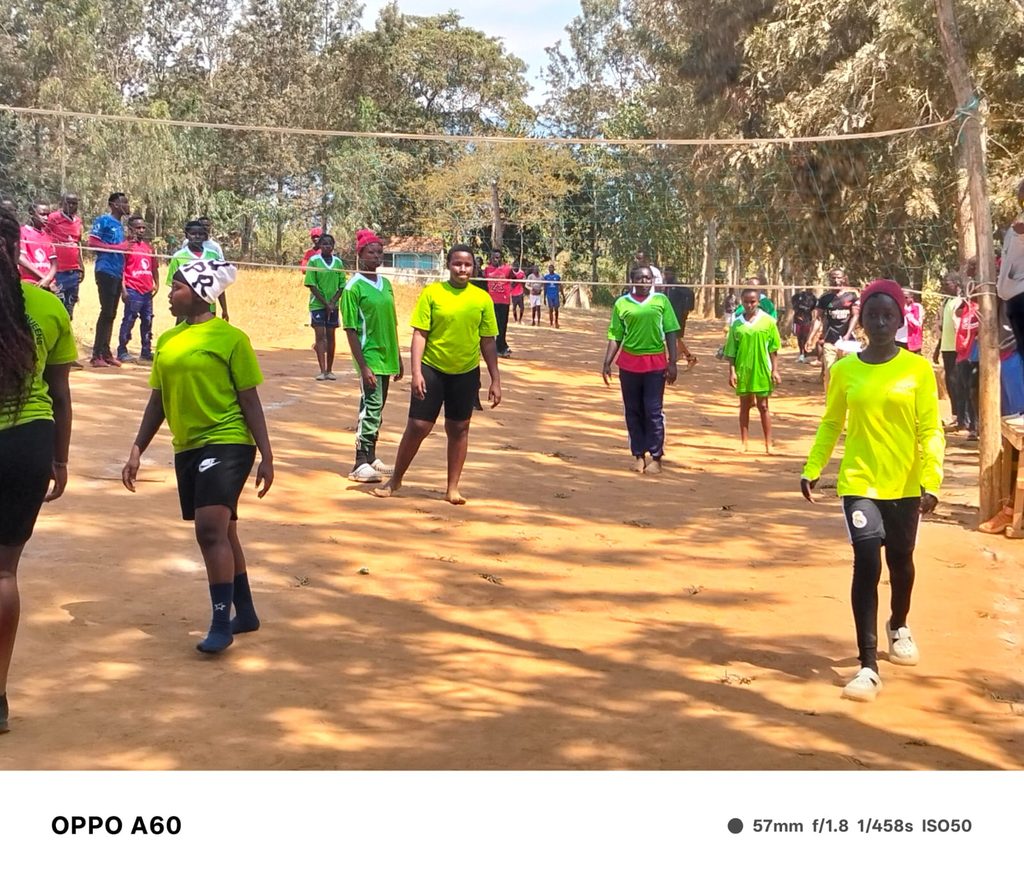
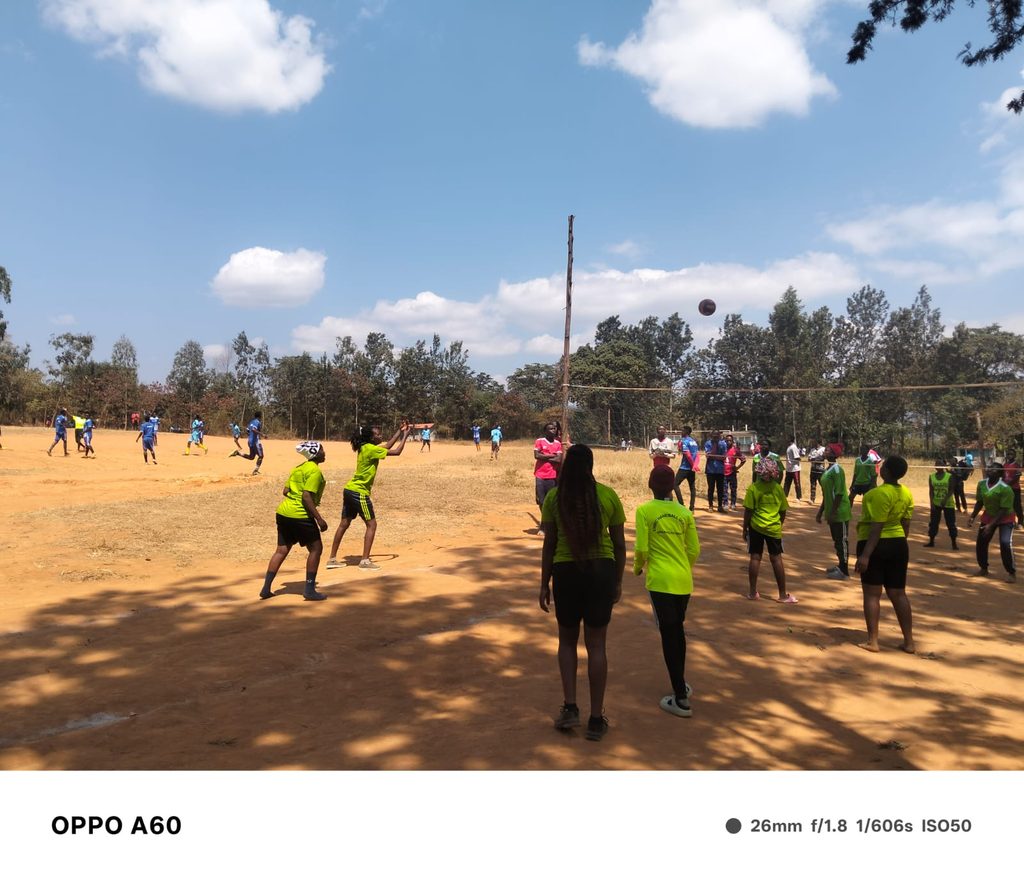
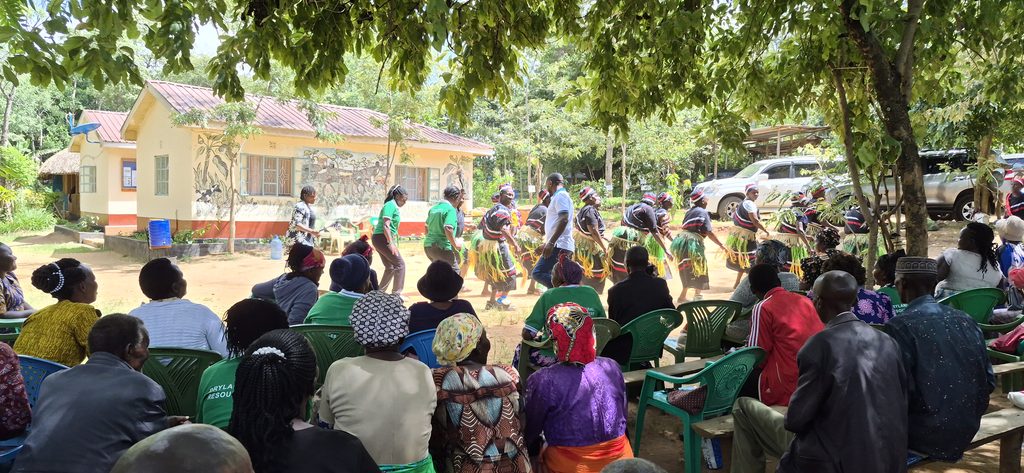
An important aspect of the Center’s work is engaging youth, and bringing together the knowledge keepers of the elder generation with the young people. Holding sporting events, dance and cultural celebrations, and community meals where traditional foods are prepared and tasted by all are just some of the important roles the Center provides that weave a close and collaborative community hub.
In the drylands of southeastern Kenya, climate change is not an abstract future threat.
Families live it through rains that come late—or sometimes barely come at all. They see it in streams and water sources that no longer provide as reliably as they once did. They feel it in increasingly difficult harvests, eroding soils and the long distances women may travel for water and firewood.
Makueni County lies within Kenya’s arid and semi-arid lands, where drought, soil erosion, deforestation and water scarcity have created a particularly difficult combination for families who depend directly on the land for food and income. Women and children often carry a disproportionate share of that burden.
As trees disappeared, so did many of the functions they once quietly provided: shade, soil protection, water retention, food, fodder, fuel, biodiversity and resilience against drought.
For smallholder farmers already living close to the edge, environmental degradation could quickly become hunger, lost income or another reason for young people to leave their communities.
But one man from the region believed the drylands could become green again.
A Local Leader Comes Home to Restore the Land
Nicholas Syano founded the Drylands Natural Resource Centre (DNRC) in 2009 in Makueni County.
His idea was both simple and ambitious: create a place where local farmers could learn how to regenerate degraded land themselves.
Rather than arriving with an outside blueprint, DNRC grew into a locally rooted demonstration and learning center. Farmers could see techniques working on the ground, learn how to propagate and care for trees, experiment with agroforestry and permaculture, establish food forests and then take those practices home to their own farms.
The center began working across surrounding farming communities and schools through tree nurseries, farmer workshops and practical regenerative agriculture training.
Today, the work reaches 865 surrounding farming families, helping turn what had become increasingly vulnerable dryland farms into places of food production, enterprise and ecological recovery.
What began as a local response to degradation has increasingly become something much larger: a community Regeneration Hub.
Regeneration Starts With Trees—but It Doesn’t End There

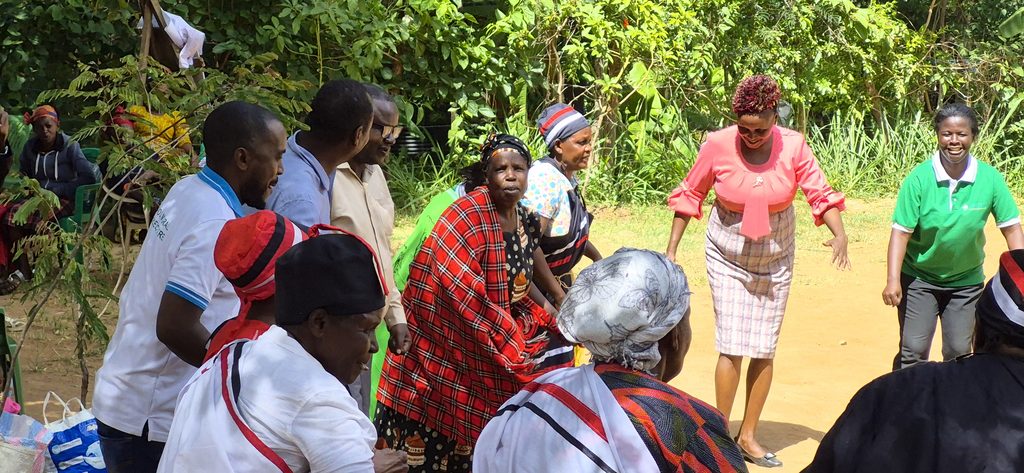
Walk through DNRC’s work today and regeneration takes many forms.
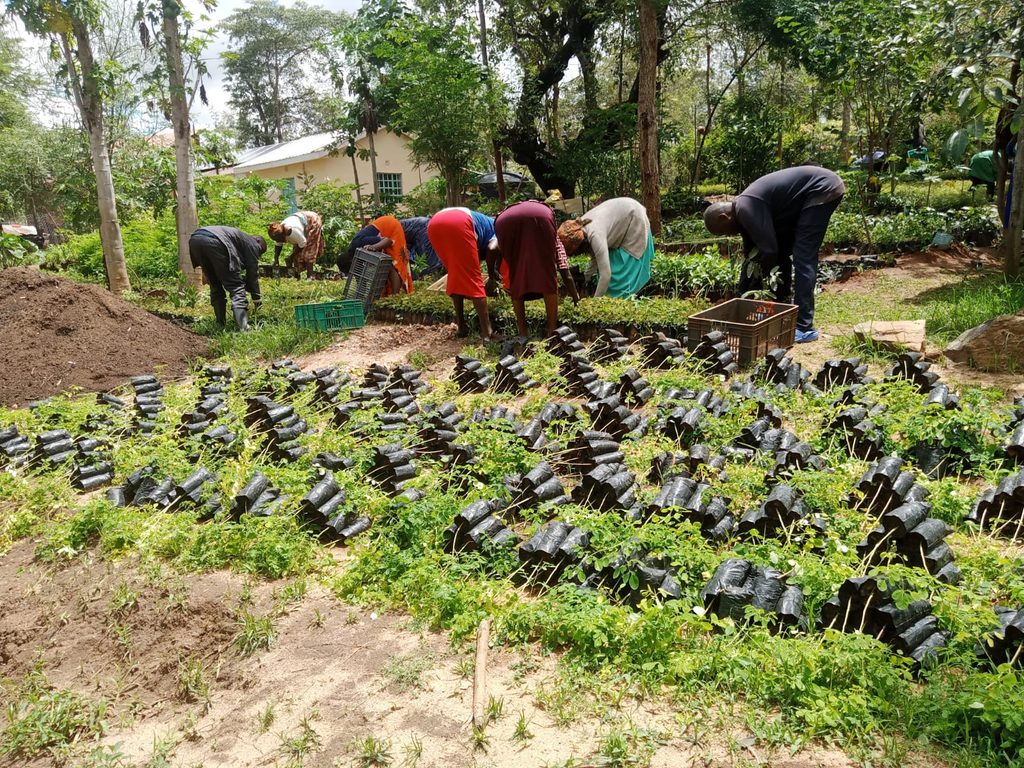
There are nurseries filled with indigenous and useful agricultural trees. There are farms where once-bare ground is being shaded by multilayered food forests. Moringa grows alongside mango, pigeon pea, neem and other species selected not simply to survive the dry climate, but to provide families with food, nutrition, animal fodder, soil fertility and products that can generate income.
More than 30 model food forests have been established. DNRC’s nursery distributes more than 100,000 seedlings to farmers annually, and its longer-term tree-growing work has surpassed one million seedlings planted, representing approximately 170 native and agricultural tree species, with reported survival rates of 80–90%.
This matters enormously in a place where restoring trees can begin repairing the entire system.
Roots hold soil. Tree cover protects the ground from extreme heat. Organic matter improves the soil’s ability to absorb and retain scarce rainfall. Diverse crops reduce dependence on a single harvest. Fruit and nutrient-rich leaves put food closer to people’s homes.
And trees that produce something valuable give families a reason to keep those landscapes green.
Putting Women Farmers at the Center
The transformation is also social.
Approximately 90% of the smallholder families DNRC seeks to empower are women, making women’s livelihoods and leadership central to the model.
Women are not being treated simply as beneficiaries of an environmental project. They are farmers, entrepreneurs, savers, producers and decision-makers.
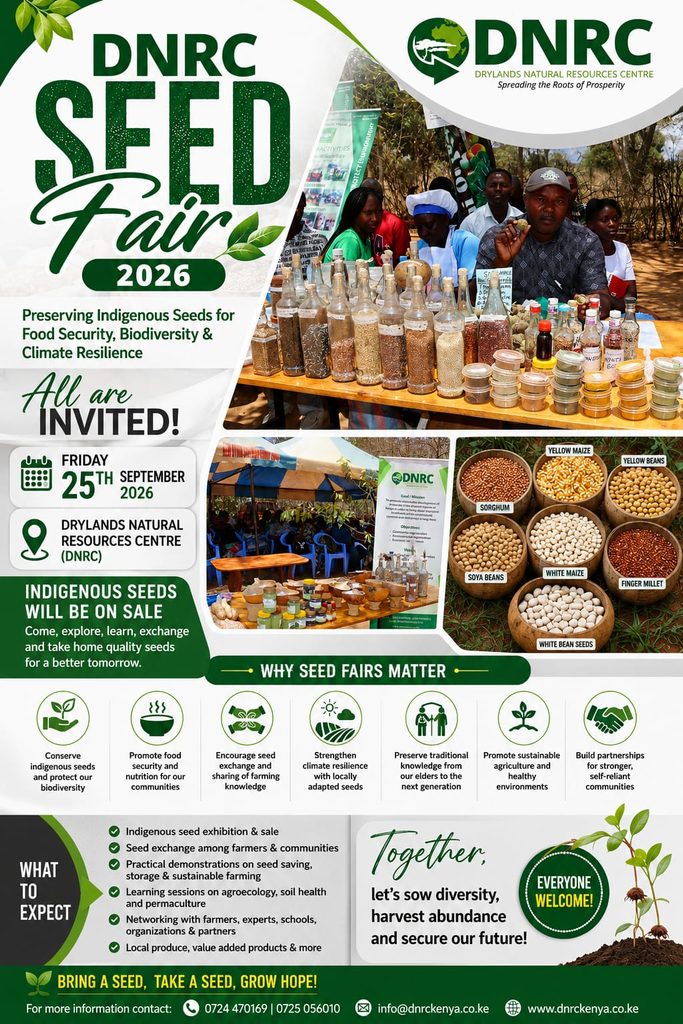
Women-led savings and loan groups have been linked with tree planting. Community seed banks preserve locally adapted planting material. Food forests produce nutritious foods for households, while schools have begun sourcing food from women’s food forests.
Women’s cooperatives have generated more than 100 regenerative microenterprises, creating ways for the value of restored land to remain in local households and communities. The project has also documented improvements in children’s diets through nutrition tracking.
This is one of the most important lessons emerging from DNRC’s work: ecological restoration becomes far more powerful when families can build livelihoods from keeping the landscape healthy.
Regeneration can then become self-reinforcing.
A tree can restore soil while producing food.
A food forest can nourish a child while giving a mother something to sell.
A nursery can restore a watershed while becoming a local enterprise.
And traditional knowledge about plants, farming and living successfully in a dryland environment can once again become an asset passed between generations rather than something lost as communities struggle simply to survive.
From Tree Planting to a Regenerative Local Economy
Regenerative Farms first connected with Nicholas because we saw in DNRC something that sits at the heart of our mission: an exceptional local leader who already understood his community and had built the beginnings of a solution that could grow much further with the right support.
Through generous multi-year support from the Woka Foundation, Regenerative Farms was able to help leaders like Nicholas strengthen and expand work already rooted in their own communities.
Woka Foundation provided RF with four years of catalytic support totaling $675,000, allowing our small organization to test the Regeneration Hub model, support grassroots partners, provide technical assistance, develop fundraising capacity and connect local leaders with knowledge, infrastructure and markets.
For Nicholas, RF helped identify an important funding opportunity and supported DNRC in developing the application.
But securing a grant was only the beginning.
We stayed alongside Nicholas and his team as the project evolved—helping them connect tree planting with the infrastructure and enterprises necessary for those ecological gains to translate into lasting prosperity.
That is a critical distinction.
Too many restoration projects end when the final tree is planted or the grant period closes. Our goal has been to help locally led partners build the economic and physical infrastructure that allows regeneration to continue.
Turning Moringa and Mango Into Local Opportunity
One example is moringa.
Moringa is exceptionally well suited to Makueni’s climate. It is drought tolerant, highly nutritious and capable of producing leaves and seeds that can be transformed into higher-value products.
Rather than seeing farmers remain at the bottom of a commodity chain selling raw crops for little return, Nicholas and RF began asking a different question:
What would it take for more of that value to remain in Makueni?
That meant moving beyond cultivation into drying, processing, quality control, product development and ultimately access to larger buyers.
Following an RF-organized Regenerative Botanicals Learning Journey in Kenya in January 2026, we provided targeted follow-on support to DNRC to convert that vision into physical infrastructure.
DNRC has now built a solar drying center for moringa leaf powder and dried mango, supported by $10,000 for construction materials and labor.
An additional $2,000 investment in solar panels powers a pump bringing clean borehole water to the agro-processing center.
That single investment connects several pieces of regeneration at once: renewable energy, water security, food preservation, reduced crop waste and value-added enterprise.
RF also supported technical assistance with Esther Ngina to help DNRC prepare for the next stage of enterprise development—including meetings with potential moringa buyers, quality-control testing, production procedures, logistics and cost-of-goods analysis required to supply larger customers consistently.
This is how a tree-planting initiative begins becoming a regenerative economy.
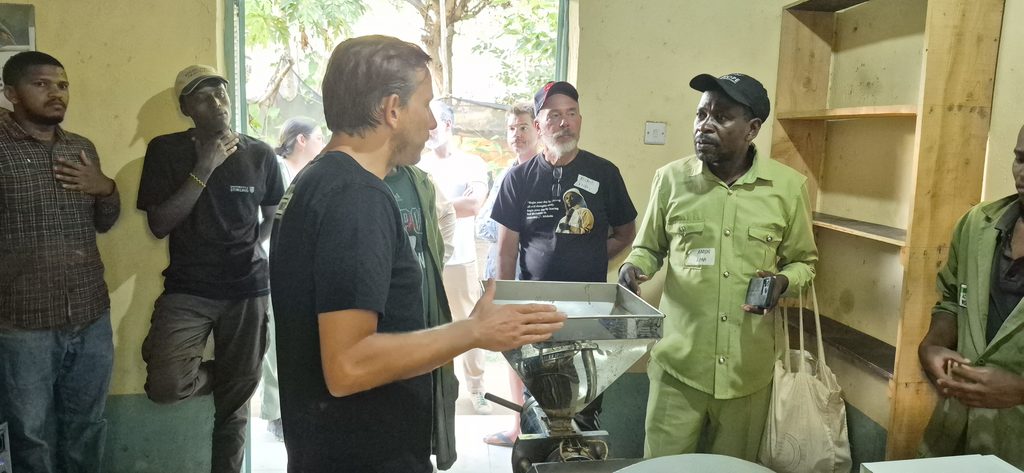
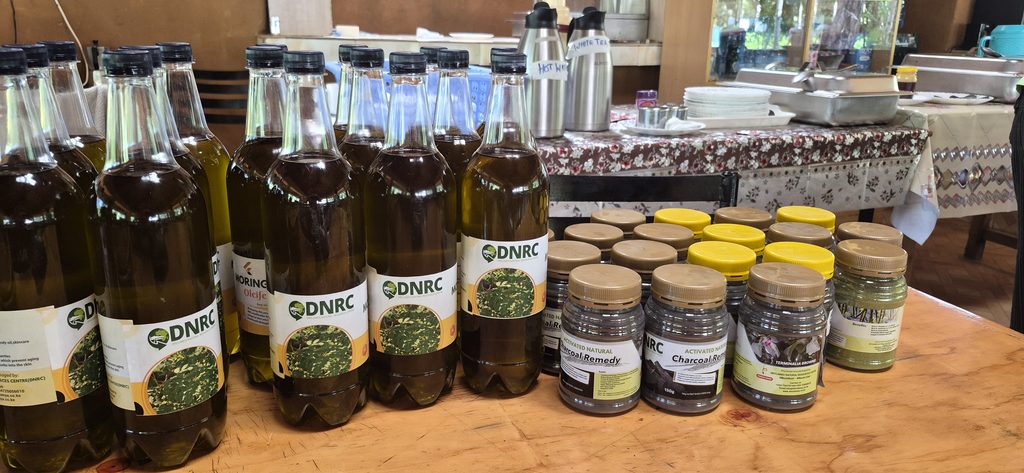
Technical experts from Indonesia explain how to use the newly imported seed oil press, how to properly set up the clean processing room, and how to fix the machine and keep it running at peak capacity using the new solar panels funded by the founder of True Botanicals, the Peterson Family Foundation. Aaron Kalala Karumba looks on, getting hand on information and practice so he can return to the Democratic Republic of the Congo and launch his community aggregation and seed oil processing hub with a similar but larger machine also recently imported from China with funding provided from The Foundation for Sustainability and Innovation combined with support from the Woka Foundation and others. Roland Van Reenan looks on, interested in the newest enterprise underway, and the design for a new solar dehydration center for drying mangos and moringa leaf powder.
Restoring More Than Land
The story unfolding around DNRC is ultimately not about a single technology or crop.
It is about restoring relationships.
Between trees and water.
Between healthy soils and healthy families.
Between women farmers and economic opportunity.
Between young people and a reason to see a future in their own communities.
Between traditional knowledge and new enterprise.
And between outside resources and local leadership.
For communities whose vulnerability was intensified by deforestation, climate instability and declining water availability, the return of trees can mean much more than a greener landscape.
It can mean food.
It can mean income.
It can mean water staying in the landscape longer.
It can mean women having greater control over household resources.
It can mean children eating a more diverse diet.
And it can mean a community rediscovering its own capacity to solve problems.
What Regenerative Farms Means by a “Regeneration Hub”
DNRC has helped Regenerative Farms understand what a successful Regeneration Hub can look like in practice.
It is not a project designed in another country and delivered to a community.
The local leader comes first.
Nicholas built DNRC. His team knows Makueni, its people, its ecology and its challenges. The surrounding farmers bring generations of knowledge about their own land.
RF’s role is different: help capable local leaders gain access to resources that can otherwise be extremely difficult to reach, connect them with specialized technical knowledge and peer leaders, help solve problems as they arise, and support the development of infrastructure, enterprises and markets that allow their work to grow.
The ultimate goal is not dependency on Regenerative Farms.
It is the opposite.
It is a thriving, locally led and increasingly self-sustaining center of regeneration that belongs to the community it serves.
865 Families—and a Different Future for the Drylands
For the 865 farming families now connected to this work, regeneration is becoming something they can see.
It is visible in seedlings growing beside homes.
In food forests where degraded soil once struggled to produce enough.
In women saving together and starting enterprises.
In children eating food grown within their own communities.
In moringa leaves entering a solar dryer instead of being sold only as an unprocessed crop.
In clean borehole water pumped using the sun.
And in a landscape slowly recovering the shade, fertility, biodiversity and resilience that years of tree loss had taken away.
None of this happened because an outside organization arrived with all the answers.
It happened because Nicholas Syano stepped forward in his own community and built a place where people could learn how to restore their land together.
Woka Foundation helped make it possible for Regenerative Farms to find, support and stand behind leaders like Nicholas. One Tree Planted financed the tree planting and helped provide monitoring and evaluation expertise and support so Nicholas could tell future supporters exactly what they were able to achieve with the tree planting funds.
And Nicholas and the farmers of Makueni are showing what can happen next:
restore the land, invest in women, rebuild local knowledge, create enterprises from regeneration—and hope begins to return with the trees.
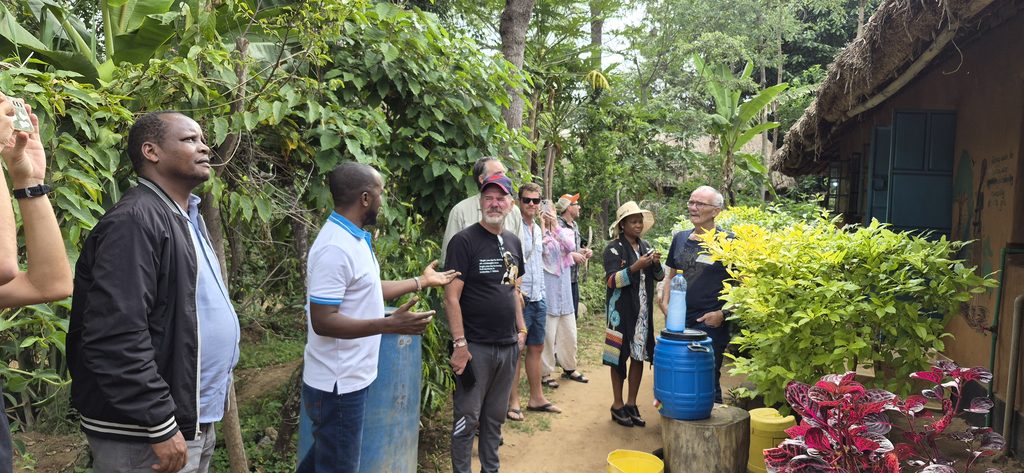
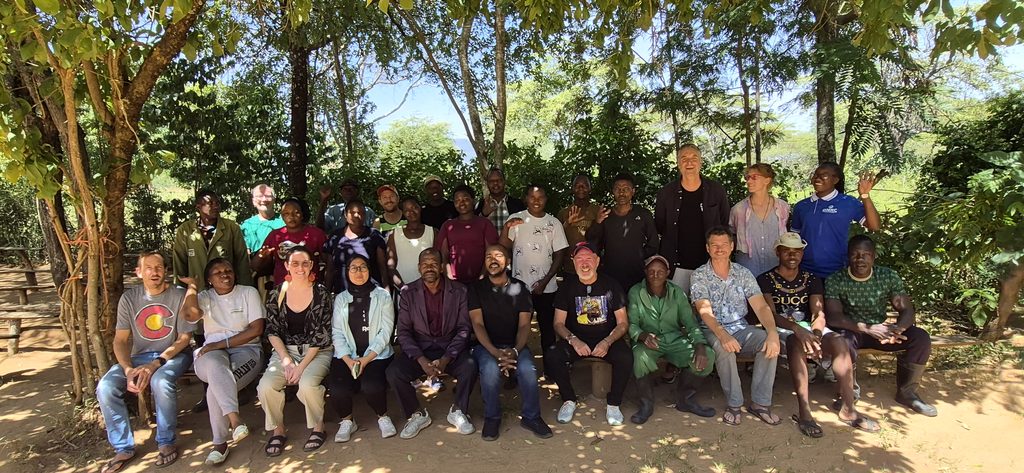
Nicholas Syano explaining the permaculture design features of the demonstration food forest and earthen buildings at the Drylands Natural Resources Centre in eastern Kenya. International Regeneration Hub leaders and industry visitors traveled to see the center and share experiences at the week long Regenerative Botanicals Learning journey organized by Regenerative Farms, January, 2026. RF global Regeneration Hubs founders and staff, local government experts, and regional botanicals companies all listen attentively including: Forestwise from Indonesia, the Maasai Center for Regenerative Pastoralism, Joseph Lentunyoi an agronomist from Laikipia Permaculture and Aloe enterprise Hub, Seed Savers Kenya working on an avocado and dried vegetable Hub, the Kwetu Regenerative Hub, Bring Value Logistics/Taste Kenya, Olvea Kenya, Camino Verde/Moena Botanicals Peruvian Amazon, Cloud Forest cacao, Jua by AGAR, and APAA from the Democratic Republic of the Congo.


Post a comment