
August 6, 2026 | Regenerative Farms News
New national research shows that nonprofits earn public confidence through transparency, direct community engagement, and accountability to the people they serve. At Regenerative Farms, the strongest evidence of that trust comes from our grassroots partners themselves.
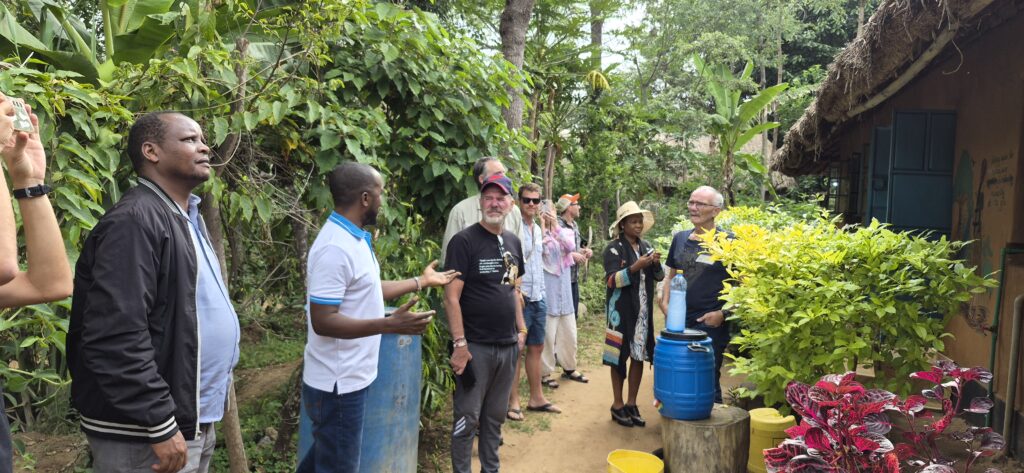
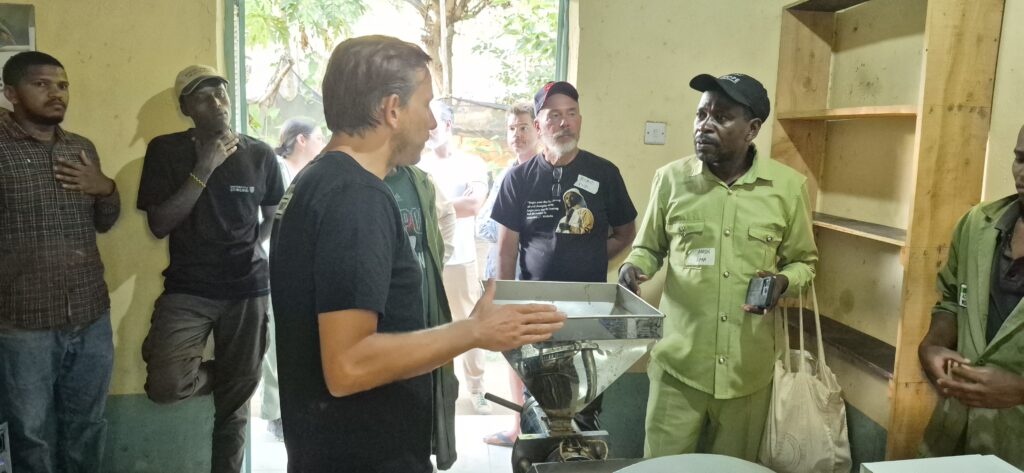
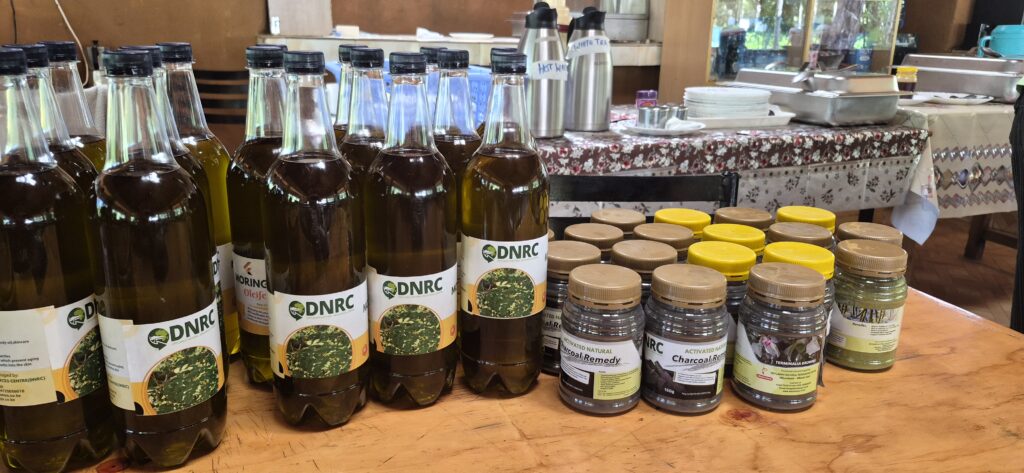
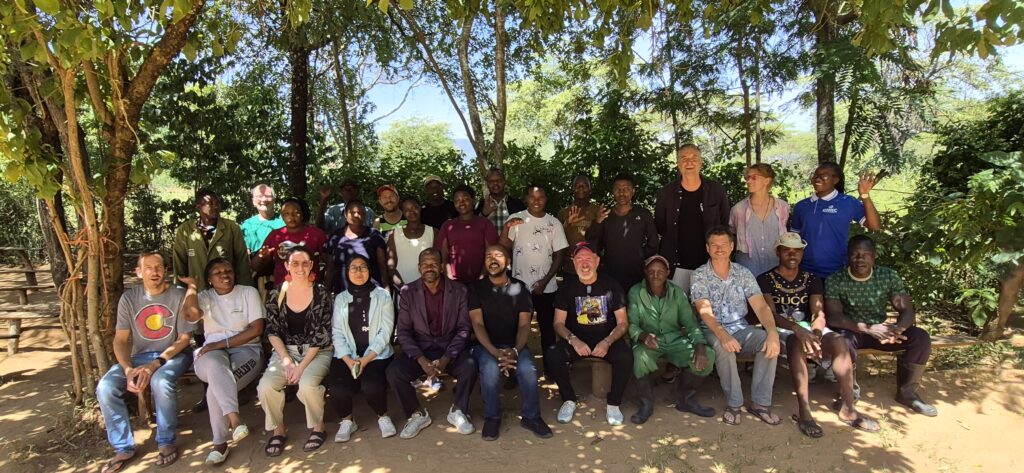
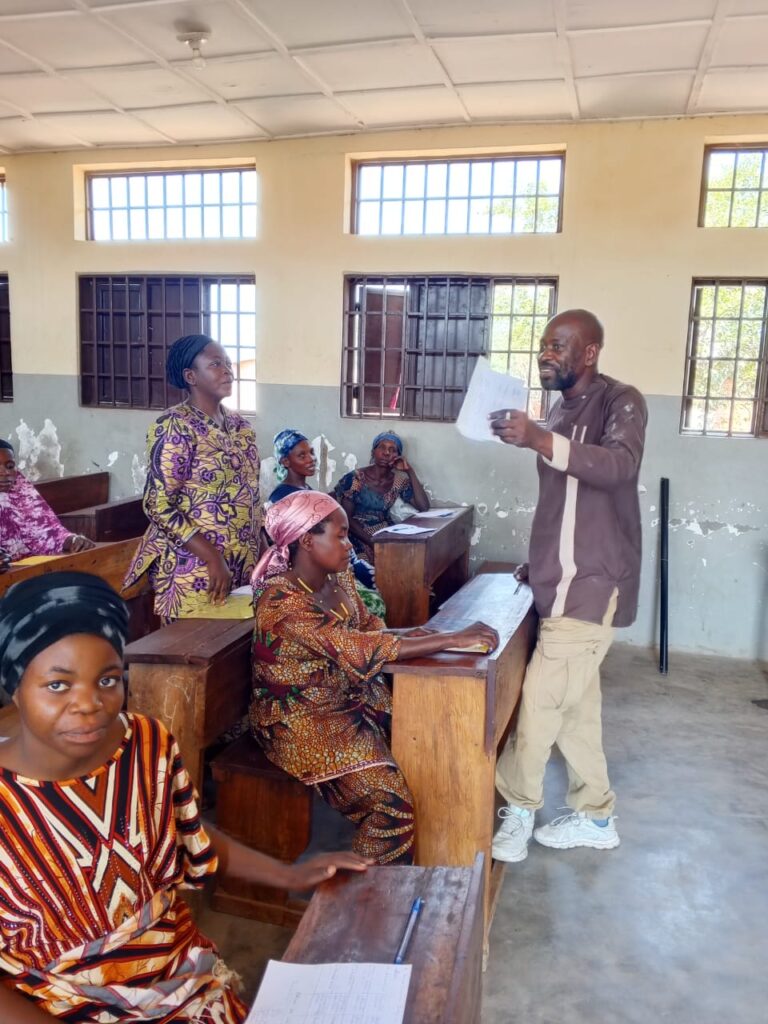
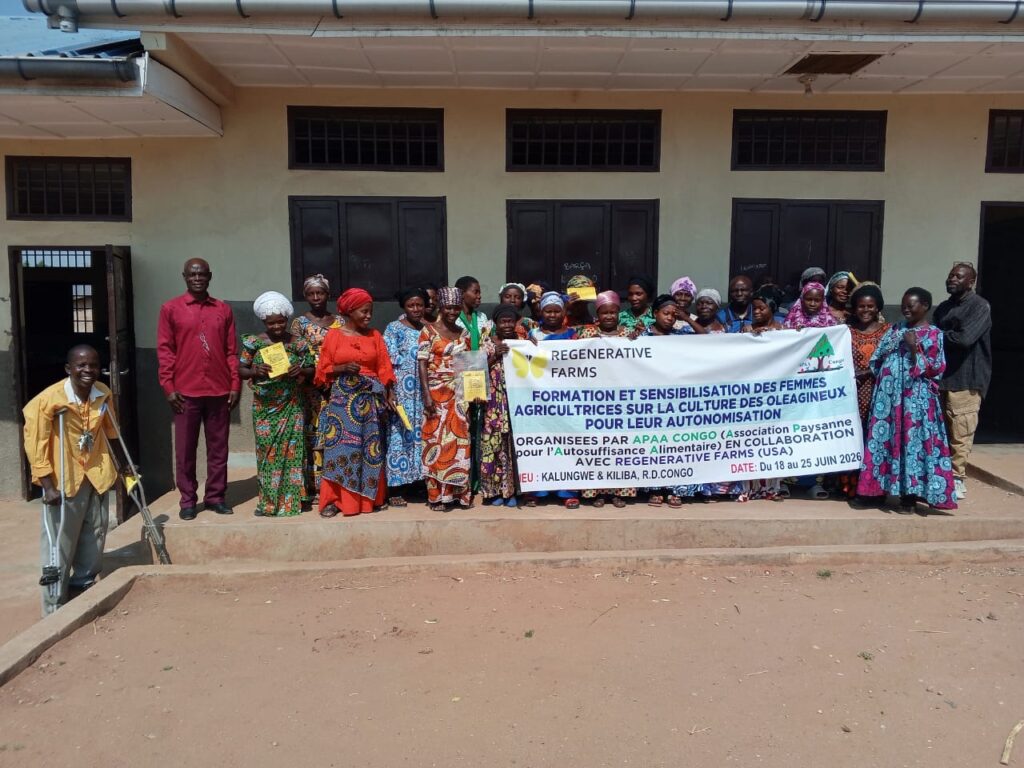
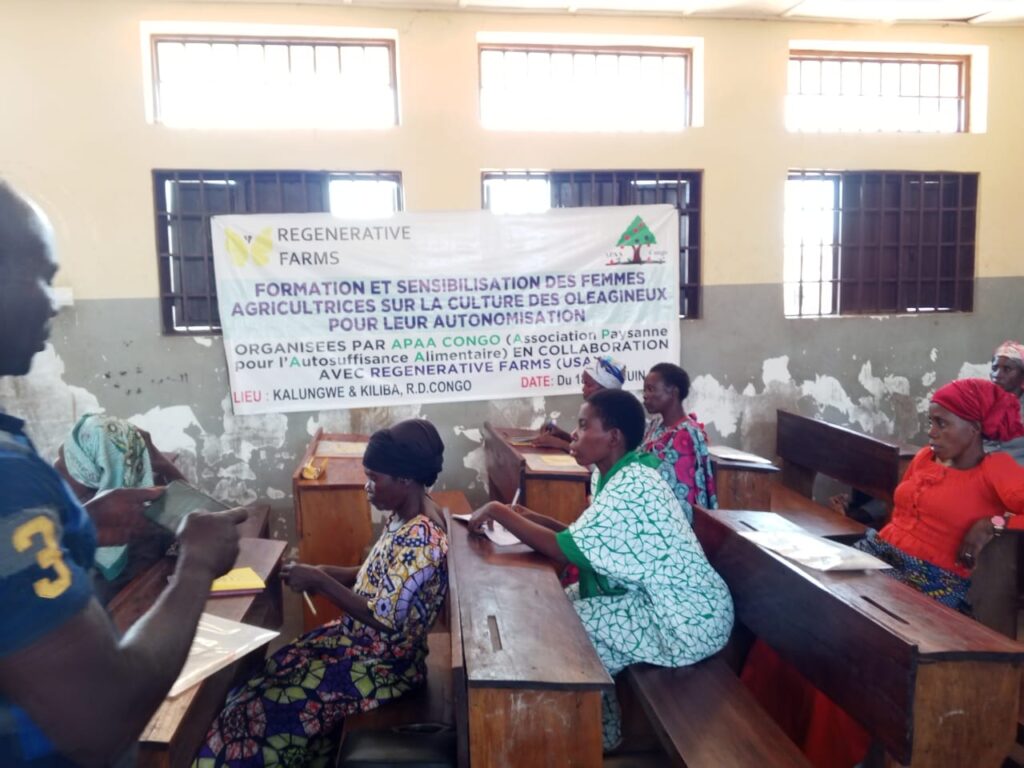
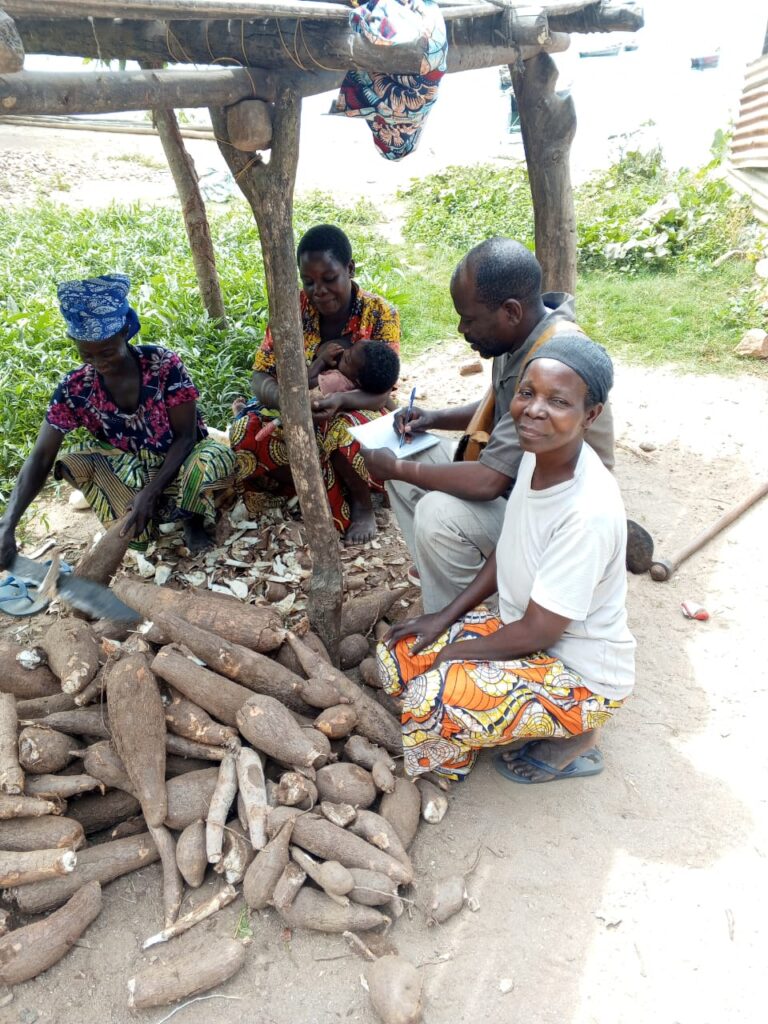
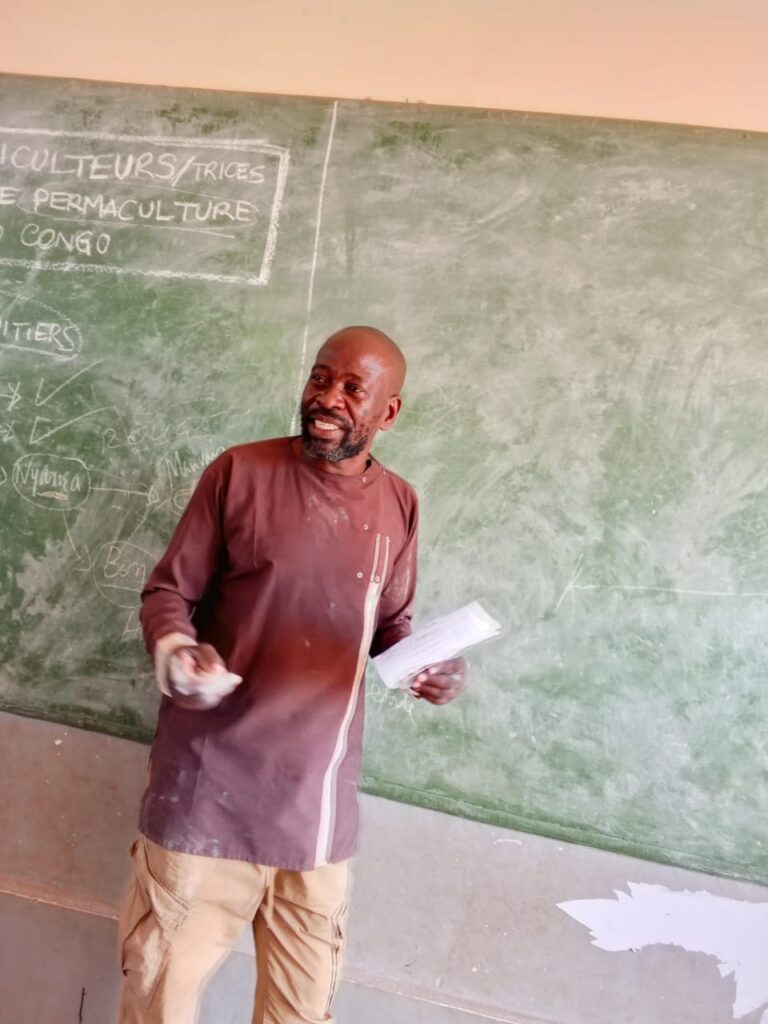
Photos from our Regenerative Botanicals Learning Journey held at Drylands Natural Resources Center in Eastern Kenya, Jan. 2026, and from our local partner APAA Congo working with women farmers to capacitize communities around their seed oil and flour mill aggregation and processing center near Lake Uvira in the conflict zone of eastern DRC, recently threatened by Ebola virus outbreak.
Trust must be earned through action
At a time when public confidence in many institutions is declining, nonprofit organizations remain an important exception.
Independent Sector’s 2026 Trust in Nonprofits and Philanthropy study found that 56% of Americans report high trust in nonprofit organizations—more than in any other major institution measured. The nationally representative research surveyed 3,000 U.S. adults and included politically diverse focus groups. (Independent Sector)
The findings also reveal a widening gap between trust in nonprofits and trust in institutional philanthropy. Only 29% of respondents expressed high trust in philanthropy, including private foundations, corporate giving, and giving by wealthy individuals—the lowest level recorded since the survey began measuring it in 2021. (Candid)
This does not mean that people have stopped believing in generosity. It means they increasingly want to understand who makes decisions, where money goes, whose priorities are being advanced, and whether the people closest to a challenge have genuine influence over the response.
The research offers a clear message: trust grows when organizations show up consistently, engage communities directly, use resources responsibly, and communicate honestly about both their funding and their results.
Nearly three-quarters of Americans said their trust would be strengthened when a nonprofit is transparent about how its money is used and where its funding comes from. Sixty-two percent said their trust would also increase when an organization’s governing body includes people who have used or experienced its services. (Independent Sector)
Direct engagement matters as well. Among people who interacted with a nonprofit during the previous year, 60% said that experience increased their trust in nonprofit organizations. (Independent Sector)
What this means for Regenerative Farms
These findings strongly affirm the partnership model Regenerative Farms has worked to build.
Regenerative Farms does not arrive in a community with a predetermined project and ask local people to implement it. We serve as a convener, connector, fundraiser, technical resource, and capacity-building partner for organizations and leaders who are already working within their own communities.
Our Regeneration Hub model is shaped by farmers, agroecologists, Indigenous leaders, women’s organizations, educators, forest protectors, and locally rooted social entrepreneurs. Regenerative Farms helps these partners access grants, technical specialists, organizational support, training, markets, equipment, and relationships that can strengthen and expand their work.
Supporters should not have to rely solely on what Regenerative Farms says about itself. They should be able to hear directly from the people who have worked alongside us.
Several local and international partners have independently posted recommendations on Founder and President Mary Johnson’s LinkedIn profile. These recommendations were written and entered by the partners themselves—not created by our communications team. Together, they provide an unusually candid picture of what Regenerative Farms contributes and how trust has been built through years of practical collaboration.
Our generous funding partners are also key to building trust. We could not do this work without their trust in our staff and partners. It is their financial resources that provided the critical unrestricted core support or project based grants that have been instrumental to our ability to build trust and provide essential support year after year to capacitize our grassroots partners. We are grateful to the The Fine & Greenwald Foundation, Inc., The Jonas Phillanthropies Trees for Climate Initiative, The Woka Foundation, the Peterson Family Foundation, True Botanicals, The Foundation for Sustainability and Innovation, 1% for the Planet, as well as the US Department of Agriculture for their funding and suppor for our work.
Our partners describe what trustworthy support looks like
Womenful Voice Haiti: More than providing funding
Senska Madgscherly O’Donnell, co-founder of Womenful Voice Haiti, describes Mary as a partner who combines “strategic action with deep integrity.”
Her recommendation emphasizes that Regenerative Farms’ support extended well beyond transferring grant funds. Mary connected Womenful Voice with an expert consultant to strengthen its agricultural work, helped the organization secure critical grants, introduced new partners, sourced materials, shared knowledge, and advocated for women’s leadership.
Most importantly, Senska describes how that assistance was provided: with humility, respect, reliability, and a consistent focus on results rather than recognition. In her words, this approach “set[s] a standard for what true partnership looks like.”
This testimony speaks directly to one of the central findings in the Independent Sector research: community trust grows when support is responsive to local priorities rather than controlled by distant institutions.
Our partnership allowed Womenful Voice to train and support school children and women farmers who reforested a degraded river bank on the northeastern border of Haiti. See their video here.
AKO Tanzania: Expertise combined with respect and heart
Hilda Kimath, Executive Director of AKO Tanzania Community Support, began collaborating with Mary after connecting through LinkedIn.
Hilda describes Mary as knowledgeable, thoughtful, and deeply committed to positive change. She particularly values Regenerative Farms’ support for local communities and for women building stronger livelihoods through sustainable farming.
“I’ve learned a lot from her and really value the partnership we’ve built,” Hilda wrote, adding that she highly recommends supporting the work because it is making a meaningful difference.
Hilda’s recommendation demonstrates an important distinction: effective international partnership is not simply about delivering services. It is about sharing knowledge, listening, learning together, and strengthening the leadership that already exists within a community.
Kwetu Regenerative Hub in Kenya: Responsive partnership
Roland van Reenen, founder of the Kwetu Regenerative Hub in Kenya, highlights qualities that are essential but too often overlooked in international development relationships: responsiveness, professionalism, shared problem-solving, and genuine enthusiasm for a partner’s vision.
Roland describes Mary as highly professional, deeply passionate, “always very responsive,” and consistently willing to think alongside his team as it develops its regenerative agriculture work.
For a small grassroots organization, responsiveness is not a minor administrative detail. A timely introduction, practical conversation, funding connection, or problem-solving session can determine whether an opportunity is captured or lost. Trust is built through these repeated acts of dependability.
Tribes and Natures Defenders in the Philippines: Standing beside Indigenous leaders
Datu Lanelio Sangcoan, founder and tribal leader of Tribes and Natures Defenders in the Philippines, describes Regenerative Farms as a “vital supporter” of his organization.
Through Mary’s fiscal sponsorship and fundraising assistance, Tribes and Natures Defenders received philanthropic support and strengthened its work to regenerate degraded ancestral landscapes. The partnership has involved tribal leaders, women, and young people and has continued for approximately five years.
Datu’s recommendation emphasizes Mary’s kindness toward Indigenous communities and the Earth, as well as her continued assistance in raising resources for locally led restoration in the Philippines.
This is precisely the kind of relationship Regenerative Farms seeks to cultivate: one in which Indigenous leaders retain ownership of their mission and local work while gaining access to financial, organizational, and international networks that might otherwise remain out of reach.
Forestwise: Nearly a decade of opening doors
Dirk-Jan Oudshoorn, CEO and co-founder of Forestwise, reports working with Mary for nearly ten years.
During that period, he says she selflessly introduced Forestwise to potential clients, funders, scientists, peer organizations, and other valuable relationships. He describes these introductions as instrumental to the company’s success and Mary as one of the most driven people he has encountered.
Long-term partnerships matter because ecosystem restoration and community enterprise development do not happen within a single grant cycle. They require patience, repeated collaboration, trusted relationships, and partners who continue opening doors as organizations grow.
Forestwise is now a Certified B Corporation™
Forestwise achieved a verified B Corp score of 144.7. This score is considered “outstanding” and places them in the top tier of more than 10,000 B Corps worldwide.
“This recognition reflects the systems and partnerships we’ve been building across our sourcing, production, and governance as we continue growing as a purpose-driven business. We look forward to continuing this journey with our partners and communities.” Marcha Adiwara
View their full B Corp profile here.
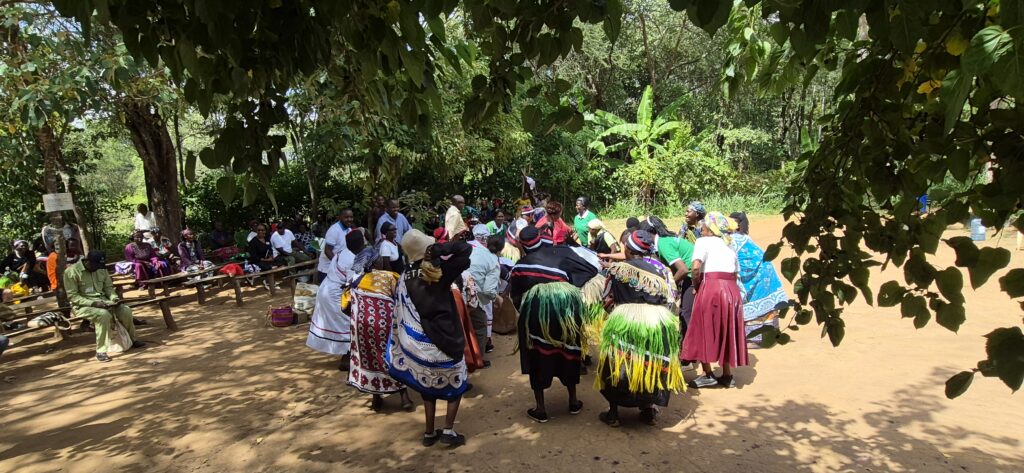
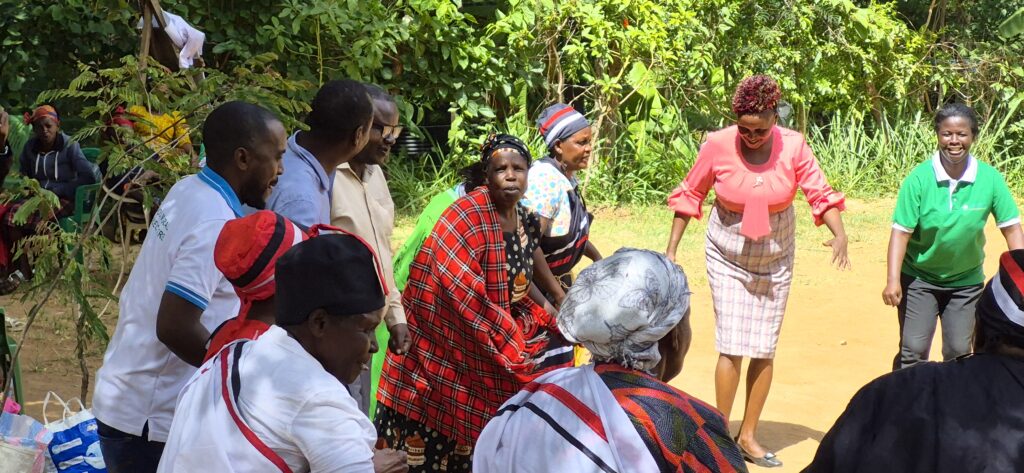
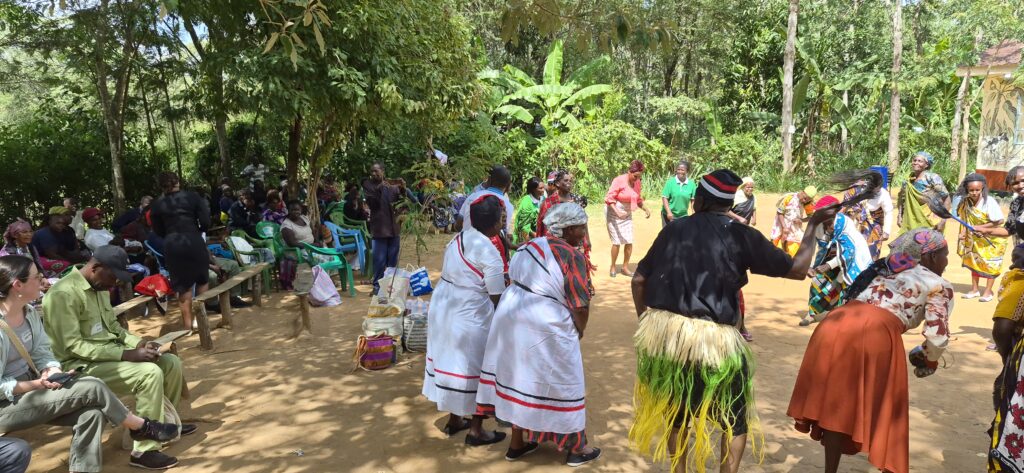
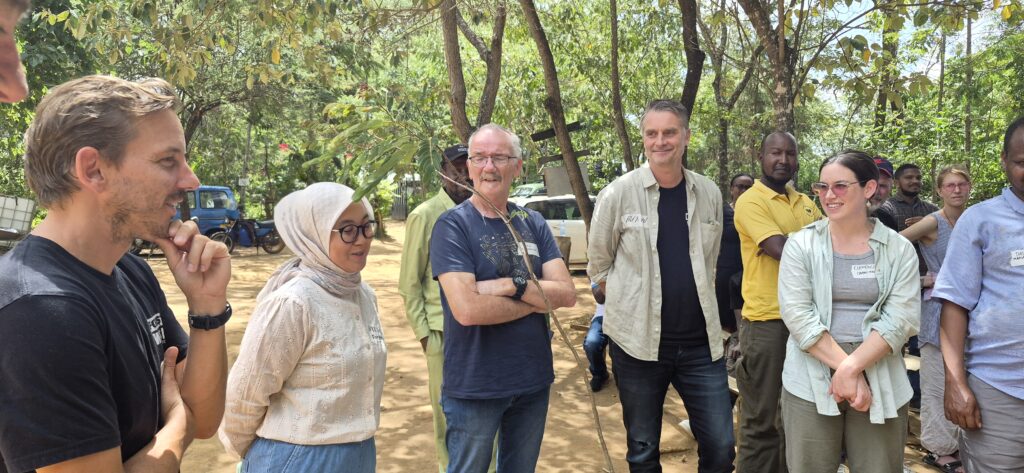
Forestwise team in Kenya sharing key technical and business knowledge with Regenerative Farms’s global network of Regeneration Hub leaders who each run communityled regenertive botanical enterprise development, forest protection or restoration projects and farmer training programs. (Jan. 2026)
Read the testimonials of our Regeneration Hub partners here https://www.linkedin.com/in/regenerativefarms/
Trustworthy partnerships produce practical value
Across these independent recommendations, several themes recur.
Regenerative Farms helps local partners:
Access funding. We assist with grant development, fiscal sponsorship, donor introductions, fundraising strategy, and connections to aligned corporate and philanthropic supporters.
Strengthen their organizations. We connect partners with consultants, technical specialists, training, planning tools, and operational support that can increase their long-term capacity.
Expand their networks. Introductions to scientists, ethical buyers, peer organizations, funders, and other collaborators can help locally led initiatives move beyond isolation.
Develop community-owned solutions. Our role is to think alongside partners—not replace their knowledge or impose an outside agenda.
Sustain relationships over time. Several recommendations describe partnerships lasting five to ten years, demonstrating that our commitment extends beyond individual grants or campaigns.
These are the practical functions supporters make possible when they invest in Regenerative Farms.
Transparency must accompany relationship-based work
Trust built through relationships must be matched by financial and organizational accountability.
Regenerative Farms publishes its IRS Form 990 filings and independent audit reports so supporters can examine how the organization is funded and how charitable resources are managed. These materials are available through the “See Our Financials” section of our website. (Regenerative Farms)
Our responsibility is not only to donors. It is also to the grassroots organizations that entrust us with their plans, community relationships, aspirations, and reputations.
That means being honest about what funding can accomplish, keeping commitments, maintaining sound nonprofit operations, communicating openly when obstacles arise, and ensuring that local partners receive recognition for the knowledge and labor they contribute.
International development has too often treated communities as beneficiaries while outside institutions retain funding, decision-making power, data, and public recognition. Regenerative Farms is working toward a different model: one in which grassroots leaders are recognized as designers, innovators, implementers, teachers, and owners of the solutions emerging from their communities.
Trust grows when supporters can see the relationship
The 2026 trust research reminds the nonprofit sector that public confidence cannot be secured through branding alone.
Trust grows when people can see:
- who is leading the work;
- how communities participate in decisions;
- what practical assistance an organization provides;
- where funding comes from and how it is used;
- whether commitments are fulfilled; and
- what partners themselves say about the relationship.
We are deeply grateful to Senska, Hilda, Roland, Datu Lanelio, Dirk-Jan, and the many other partners who have trusted Regenerative Farms enough to build this work with us—and who have spoken publicly about their experiences.
Their recommendations are more meaningful than any claim we could make about ourselves.
They show that Regenerative Farms’ value is not measured only in grants awarded, trees planted, farmers trained, or equipment delivered. It is also reflected in the strength of the organizations we help support, the opportunities our partners can access, and the lasting relationships that allow locally led solutions to grow.
That is how trust is built: through transparency, responsiveness, shared work, and years of showing up for one another.
Learn more and support locally led regeneration
We invite you to explore our programs, learn about our grassroots partners, review our audited financial information and tax filings, and see how your contribution can strengthen women-led and Indigenous-led solutions for nutrition security, regenerative livelihoods, and ecosystem restoration.
Your support helps locally rooted leaders gain the resources, connections, and organizational capacity they need to turn community knowledge into lasting change.
Learn more about the research on Trust in Philanthropy by reading: Candid’s article” What’s driving the public trust gap between nonprofits and philanthropy?“
Data from Independent Sector shows public trust in nonprofits holding steady while trust in philanthropy declines. Find out what’s behind this trend and what nonprofits can do to maintain public trust.
August 05, 2026 By Dr. Akilah Watkins


Post a comment